

Six nations express willingness to engage in plans to “ensure safe passage through the strait.”
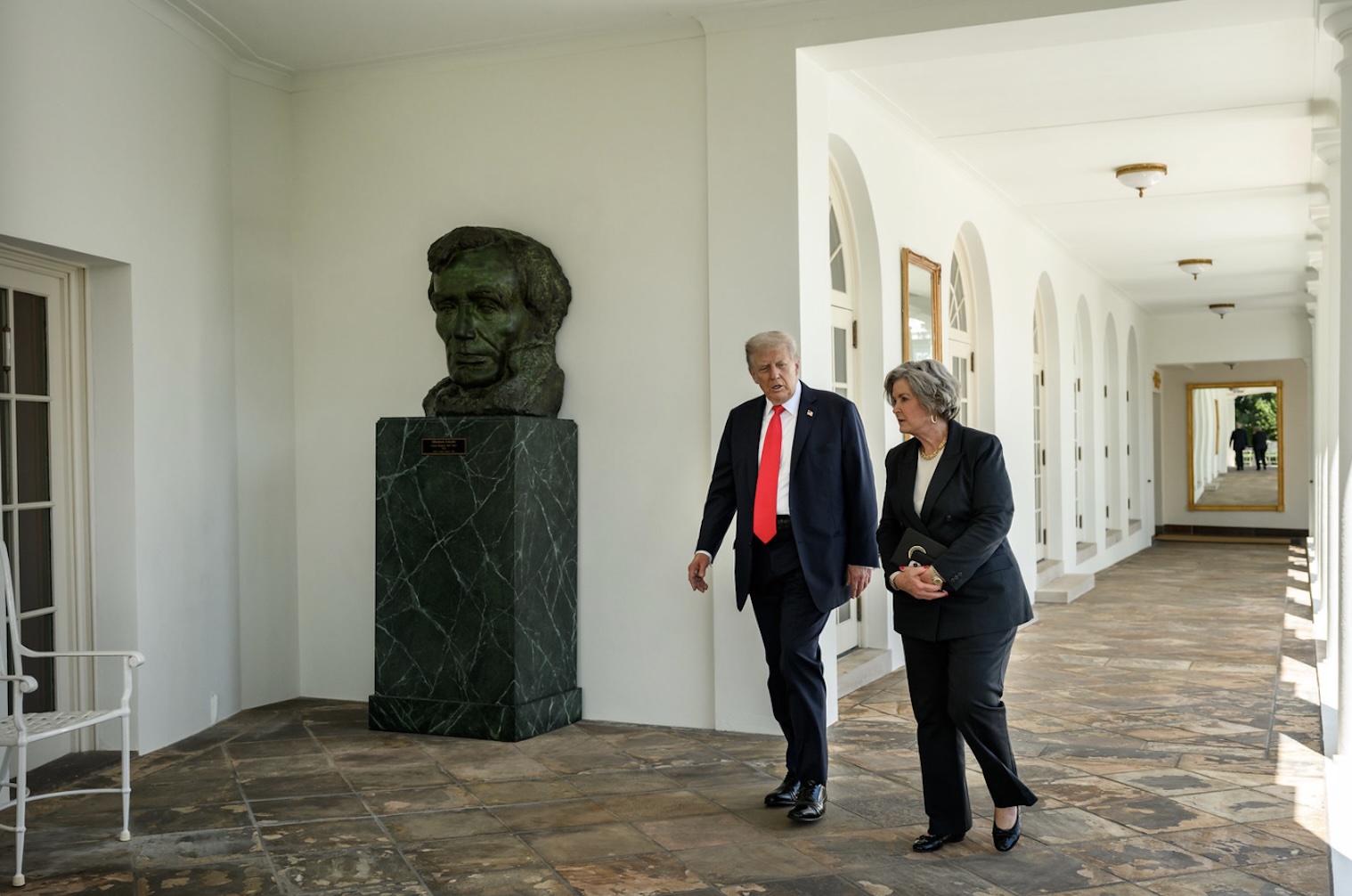
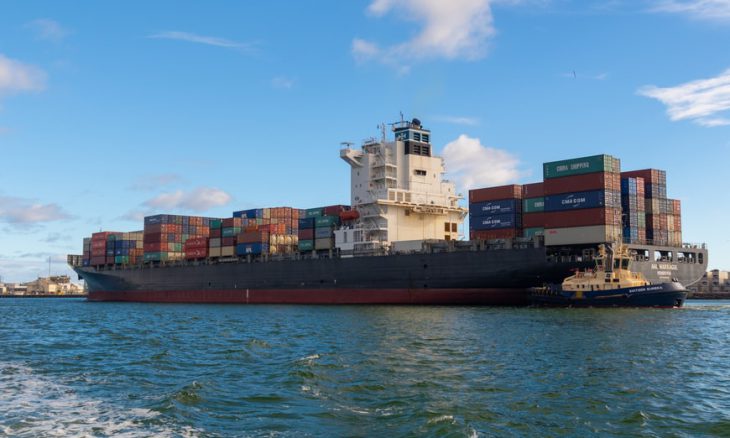
President Donald Trump announced that a sixth U.S. ally has committed to securing the commercial shipping lanes through the Strait of Hormuz. NATO allies originally refused to contribute to the safety of commercial shipping when President Trump requested they step up last week. President Trump cautioned allies that he would “remember“ those governments that were unwilling to assist in providing security.
Leaders of the United Kingdom, France, Germany, Italy, Netherlands, and Japan issued a joint statement on Thursday. Canada later confirmed joining their statement, which said:
We express our deep concern about the escalating conflict. We call on Iran to cease immediately its threats, laying of mines, drone and missile attacks and other attempts to block the Strait to commercial shipping, and to comply with UN Security Council Resolution 2817.
Freedom of navigation is a fundamental principle of international law, including under the United Nations Convention on the Law of the Sea.
The effects of Iran’s actions will be felt by people in all parts of the world, especially the most vulnerable.
Consistent with UNSC Resolution 2817, we emphasise [sic] that such interference with international shipping and the disruption of global energy supply chains constitute a threat to international peace and security. In this regard, we call for an immediate comprehensive moratorium on attacks on civilian infrastructure, including oil and gas installations.
We express our readiness to contribute to appropriate efforts to ensure safe passage through the Strait. We welcome the commitment of nations who are engaging in preparatory planning. …
Maritime security and freedom of navigation benefit all countries. We call on all states to respect international law and uphold the fundamental principles of international prosperity and security.
As the Lord Leads, Pray with Us…
- For President Trump as he encourages the leaders of other nations to provide security through the Strait of Hormuz.
- For the president and members of his Cabinet as they engage in discussions with foreign heads of state.
- For President Trump to be discerning as commander-in-chief of the U.S. Armed Forces.
- For protection for U.S. military personnel serving around the world, especially in the Middle East.
Sources: Townhall, CNBC, MSN, Gov.uk